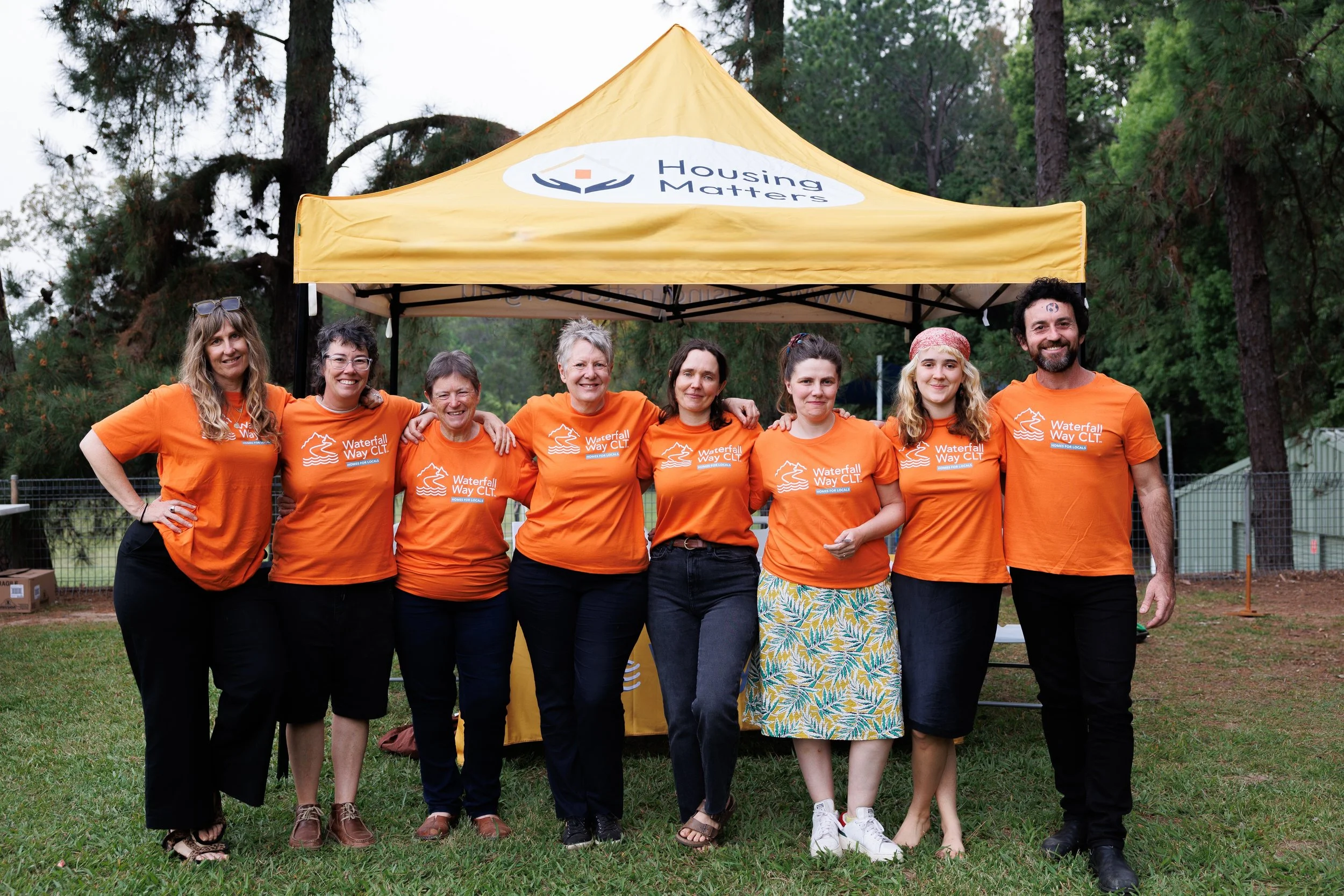
At WWCLT we're not waiting for change - we're building it.
Local housing solutions that last, now and for future generations.

WWCLT is focused on delivering forever affordable shared homeownership for the ‘missing middle’: local people on local incomes who are priced out of the housing market.
Together, we can show that communities can create their own housing solutions - by the community, for the community. As a not-for-profit, we secure land either at no cost or low cost, to create permanently affordable housing, ensuring that working people, families, and long-time locals can stay rooted in the place they love.
By keeping housing in community hands, we’re building resilience, protecting diversity, and shaping a fairer future for generations to come.
How are we going to do it?
Secure land to keep it in community hands
Permanently removing it from the private market so homes stay affordable forever.

Develop safe, low-cost housing for all locals
Focusing on working people, families, and long term locals locked out of the housing market.

Lead projects that build resilience
Driven by locals for affordable, inclusive, and sustainable communities.


Our region has a proud history of community-led solutions & innovation. We want to build on that legacy, so that our towns stay vibrant, diverse & inclusive.
Frequently Asked Questions
With rising prices, falling home ownership, and growing housing stress, there’s a need to get creative about our housing. That’s where CLTs can play a role.
-
A CLT is a form of shared home ownership that is run by and for the community that makes it possible for people on local wages to live and work here.
CLTs give residents access to many of the benefits which typify home ownership such as long-term security and greater autonomy in the use of their home. Click here for an info sheet on the CLT’s purpose.
-
A CLT is a not-for-profit, community-based entity that enters into a long-term agreement with residents, typically through co-ownership or a 99-year lease model.
CLTs take the land value component of the property off the market which locks affordability into perpetuity. This makes them affordable to current and future generations of residents.
If a resident decides to sell their home, the resale price is capped or limited via a legally binding and pre-determined formula, often called a ‘reversionary formular.’
Residents may be able to realise some capital gain, but they will not be able to access windfall gains which would take housing out of reach for future potential participants. This delivers affordable housing into perpetuity!
By removing the property from the speculative market, CLTs stabilise communities impacted by rapid rises in house prices, ensuring that local people on local wages can afford to ‘stay put.’
CLTs are typically managed to encourage community stewardship and representative governance. This commonly requires the establishment of a governing board drawn from three key groups: CLT residents, CLT membership and the community.
This form of ‘tripartite’ representative governance ensures that the CLT is effectively managed on behalf of the broader community. In the overseas context, the tripartite board structure has allowed the CLT sector to emerge as a robust, transparently managed, and trusted affordable home ownership model.
-
Multiple sources of local land that could potentially be used to create a CLT, such as faith-based land, government land and philanthropic donations. The Bellingen Shire CLT Establishment Project is exploring all these possibilities.
Acquisition of land for a CLT could happen in a number of ways. Voluntary planning agreements (VPAs) could be a mechanism for developers to contribute land to the CLT in return for concessions from council.
The upcoming Rural Land Strategy consultation process could also explore introducing incentives to rural landholders to carve off small parcels of land for the CLT. The CLT is also a mechanism by which local people can donate land if they are keen to make a difference and are able to help. Click here for more info.
-
When a CLT acquires a parcel of land, there may already be a single-household dwelling or a multi-unit building on the land. In other cases, CLTs become active developers, constructing new housing on lands they have recently acquired or previously “banked” for future development. CLTs may also work with residents to individually manage the development of their future home.
In some overseas examples, CLTs make land available to another non-profit organisation, such as a community housing provider for the construction of affordable housing. In a growing number of communities, affordably priced homes come into a CLT’s portfolio because of planning provisions, including inclusionary zoning, density bonuses, or other regulatory mandates or incentives.
-
CLTs are very flexible in the types of housing they develop – or allow to be developed – on their land. They work with local communities and residents to deliver the kind of housing that best meets local needs.
Some CLTs focus on detached, single-household dwellings. Others are engaged in the construction and stewardship of multi-unit residential projects that deliver higher-density outcomes. While others have a mixed portfolio.
CLT dwellings can be co-located on one block of land, peppered throughout the community, or a mixture of both approaches. The model is very flexible and responsive to local needs and opportunities.
-
The model is not a silver bullet that will solve the local housing crisis overnight. In the short term, it will work best for moderate-income households and/or households who have access to some equity. We know that these households are struggling in the current housing market, often priced-out of home ownership and into a tight and expensive and insecure rental market.
The CLT model can deliver better housing outcomes for households who are stuck in the middle – they are ineligible for social housing and cannot access expensive private home ownership.
Over the longer term, we hope that the WWCLT can serve the unmet housing needs of lower-income residents too.
-
WWCLT will prioritise households in the ‘missing middle’ who can demonstrate the following:
they are local workers and/or local people with access to some equity
they have local connections
they fall within the specified income range and assets limits
Click here for an info sheet on ‘Eligibility Criteria’
-
Register your Interest in becoming a future CLT resident
Sign up to our WWCLT mailing list to receive regular updates
Become a member
Join the WWCLT Working Group that is open to residents keen to support the project
To discuss donating land and/or resources please contact clt@housingmatters.org.au or call 0494 331 821
Or get in contact via our contact page

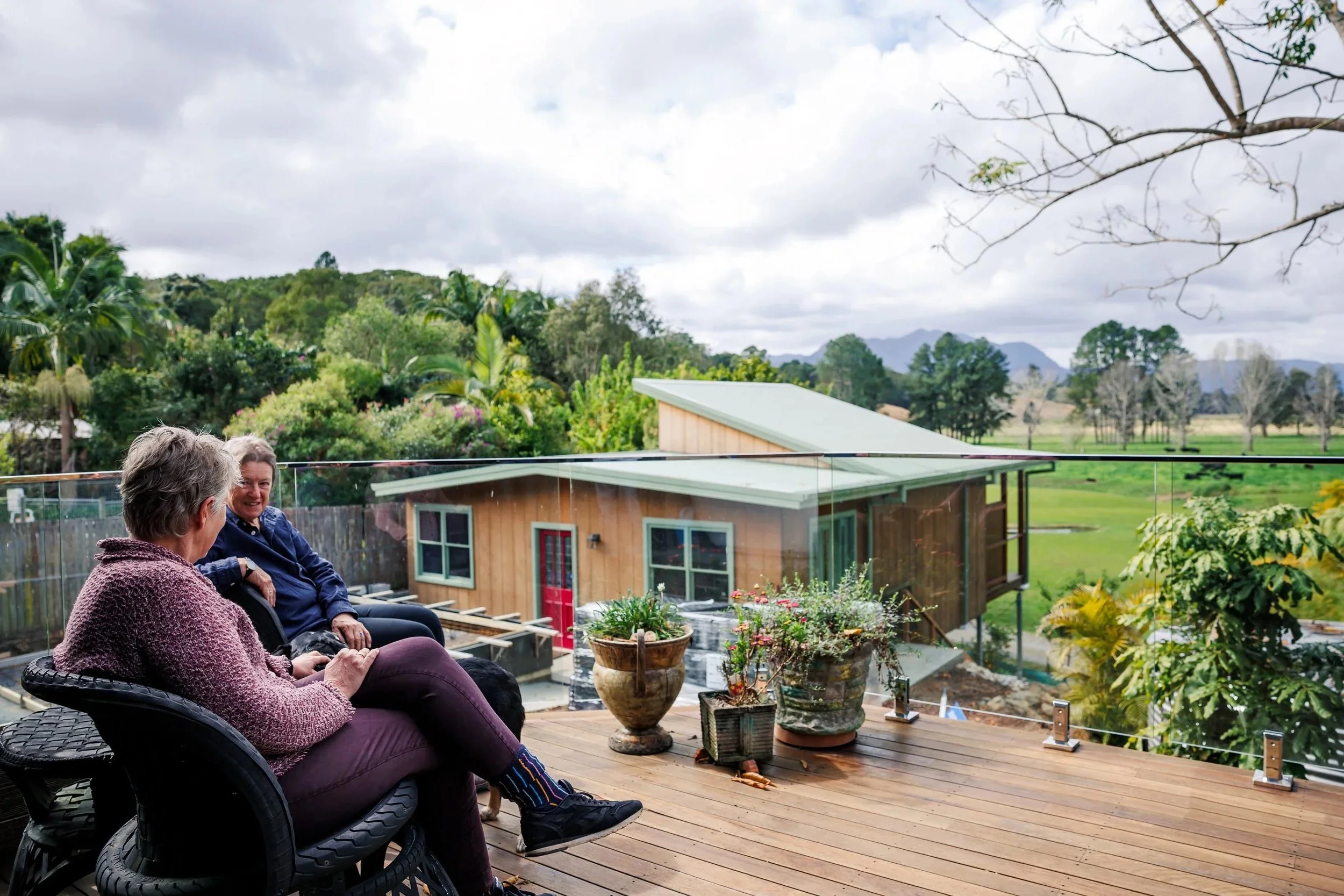
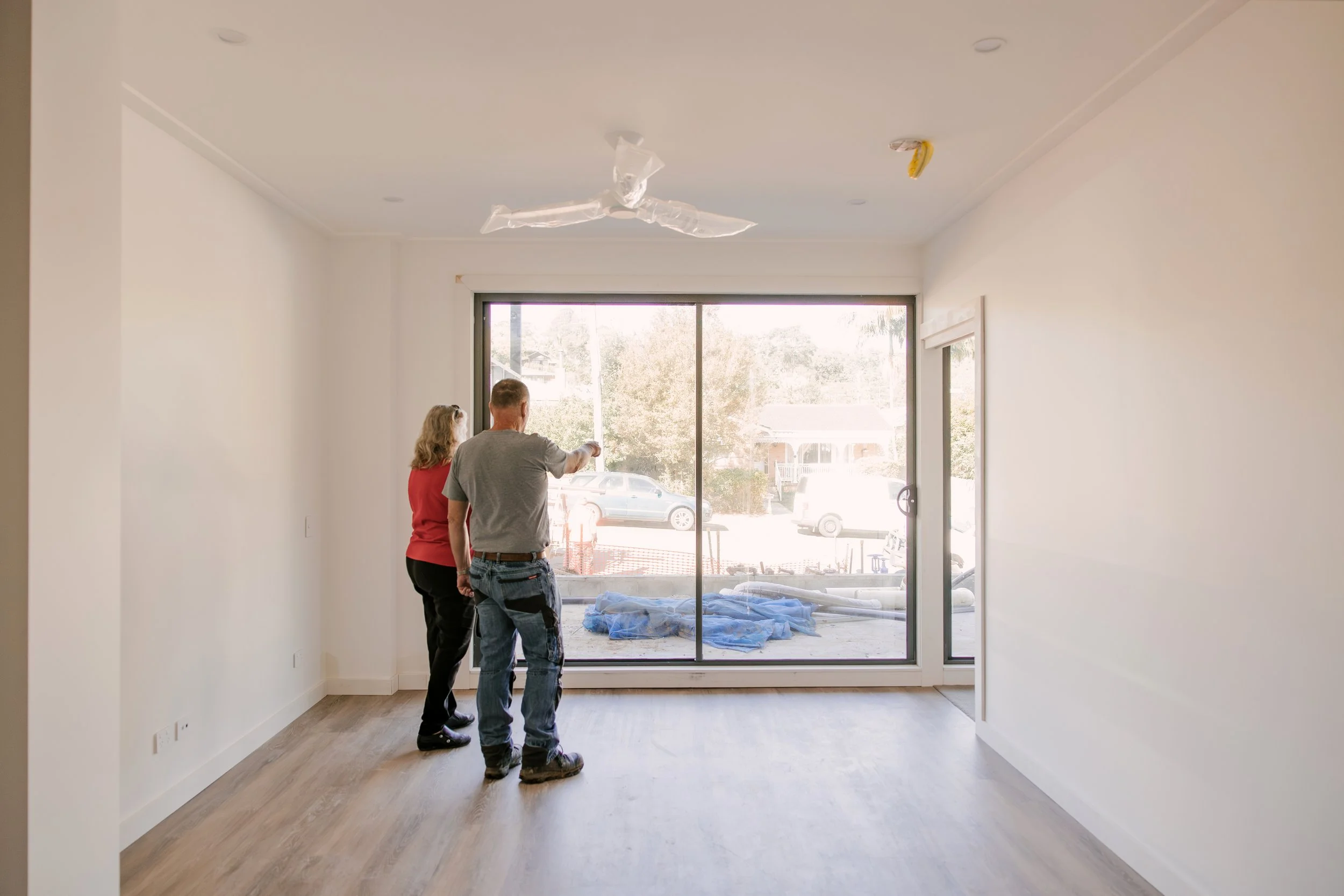
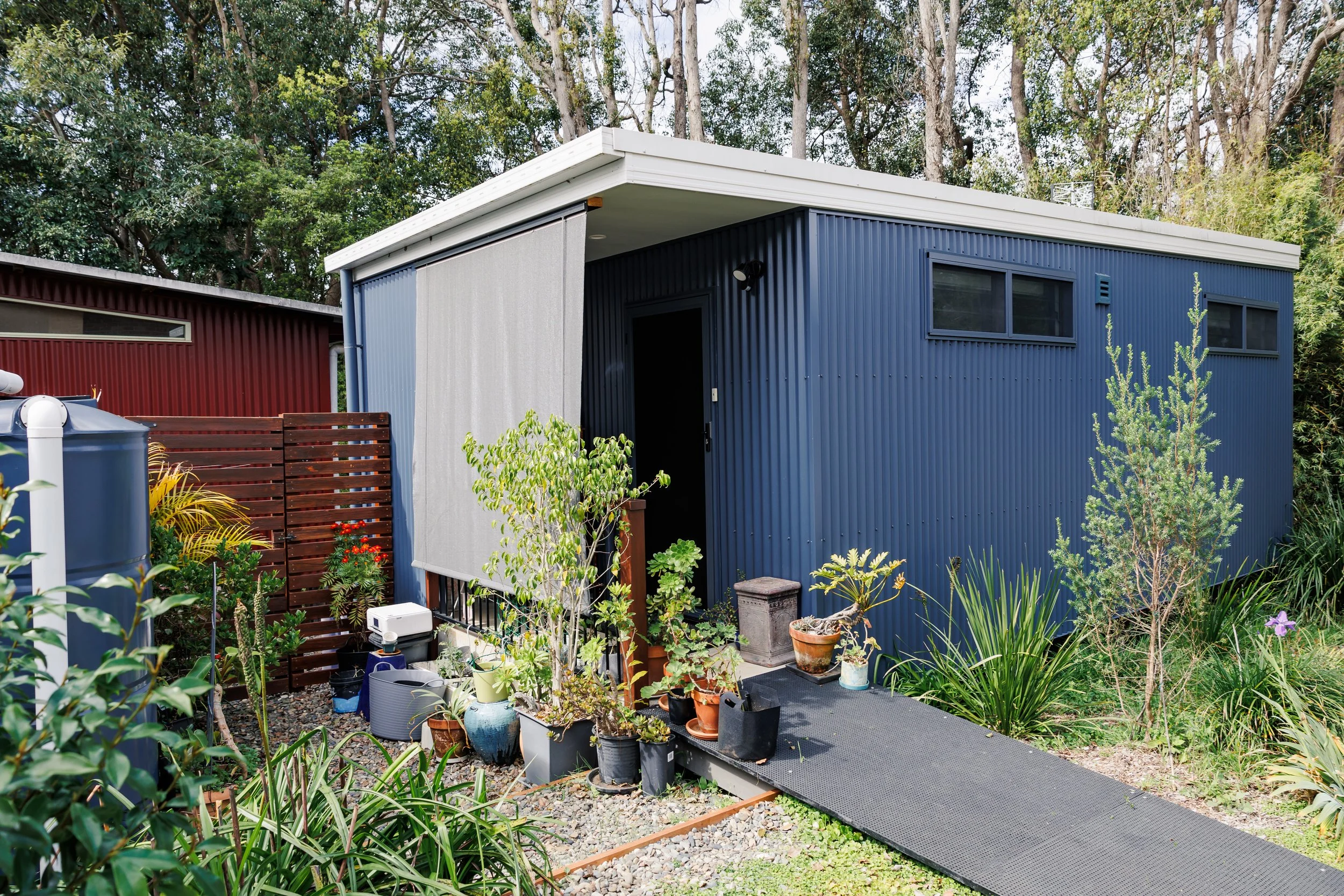
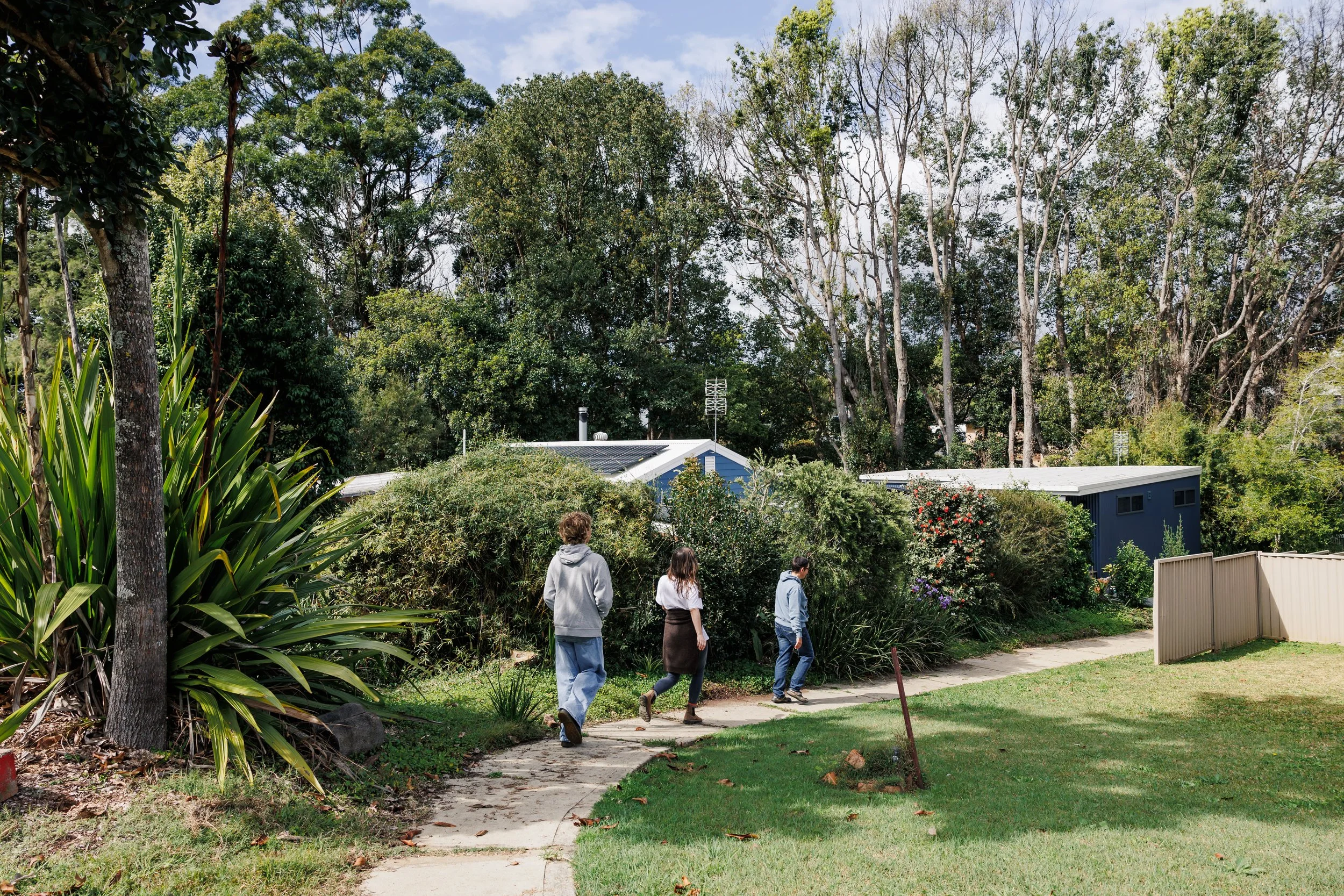
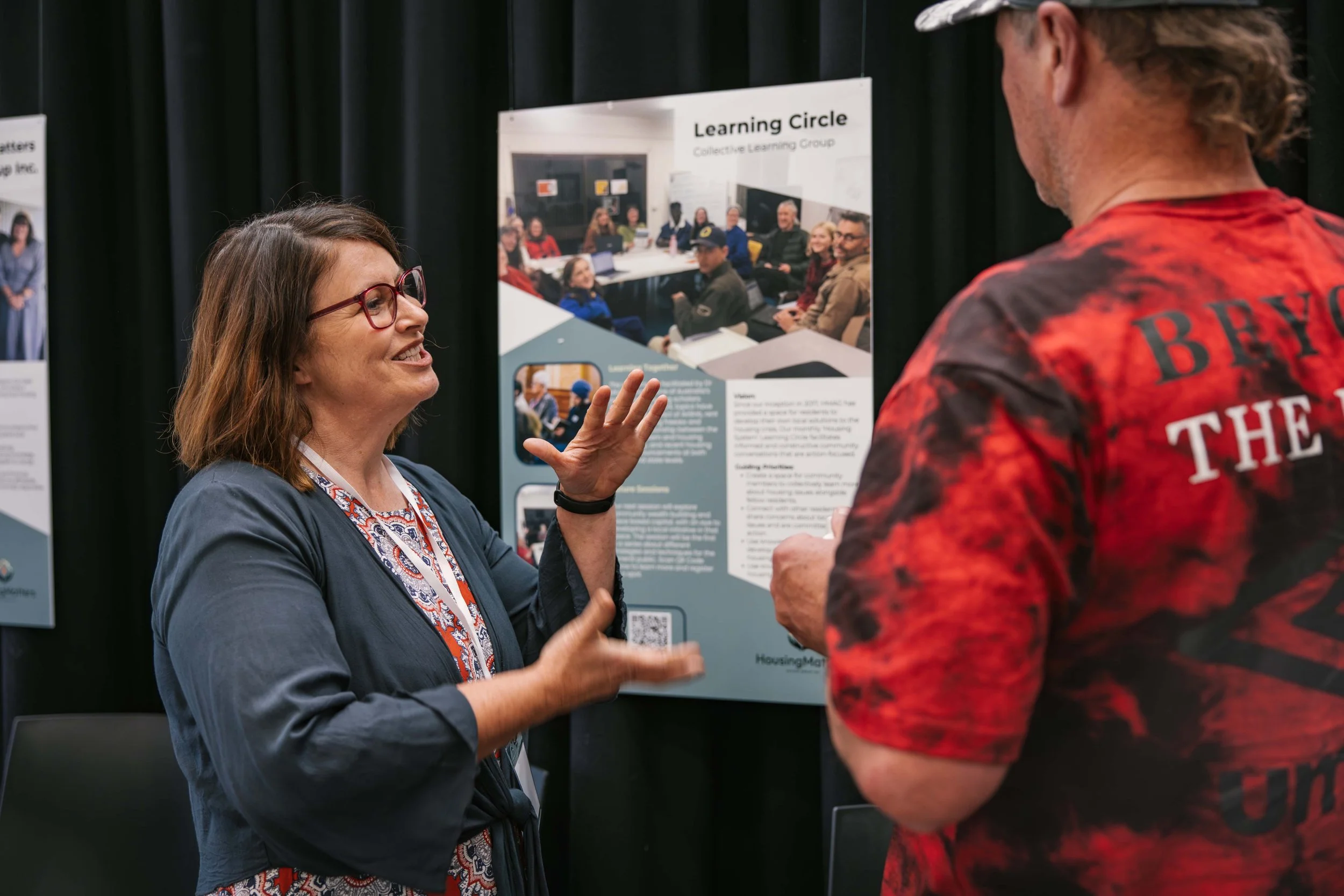
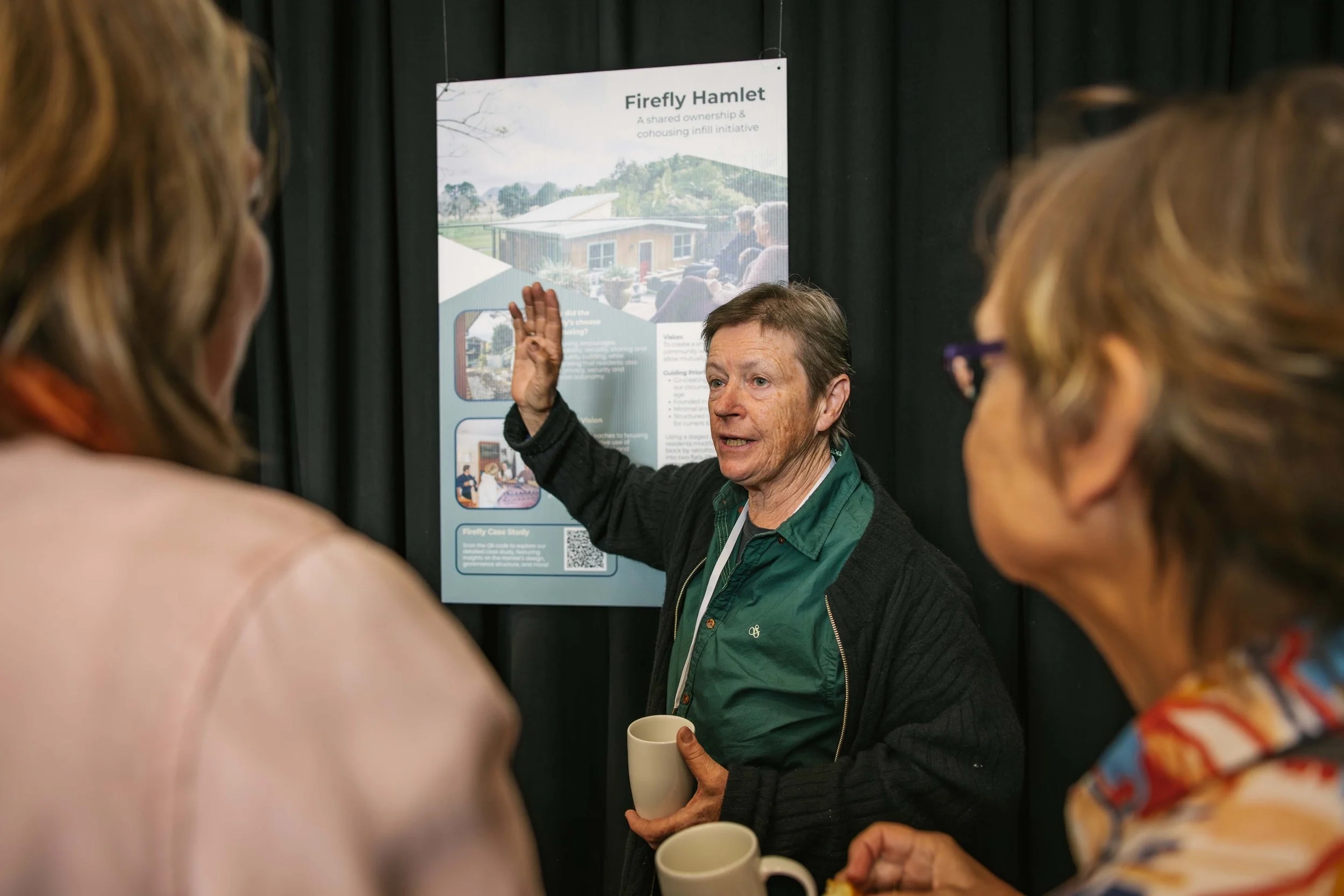
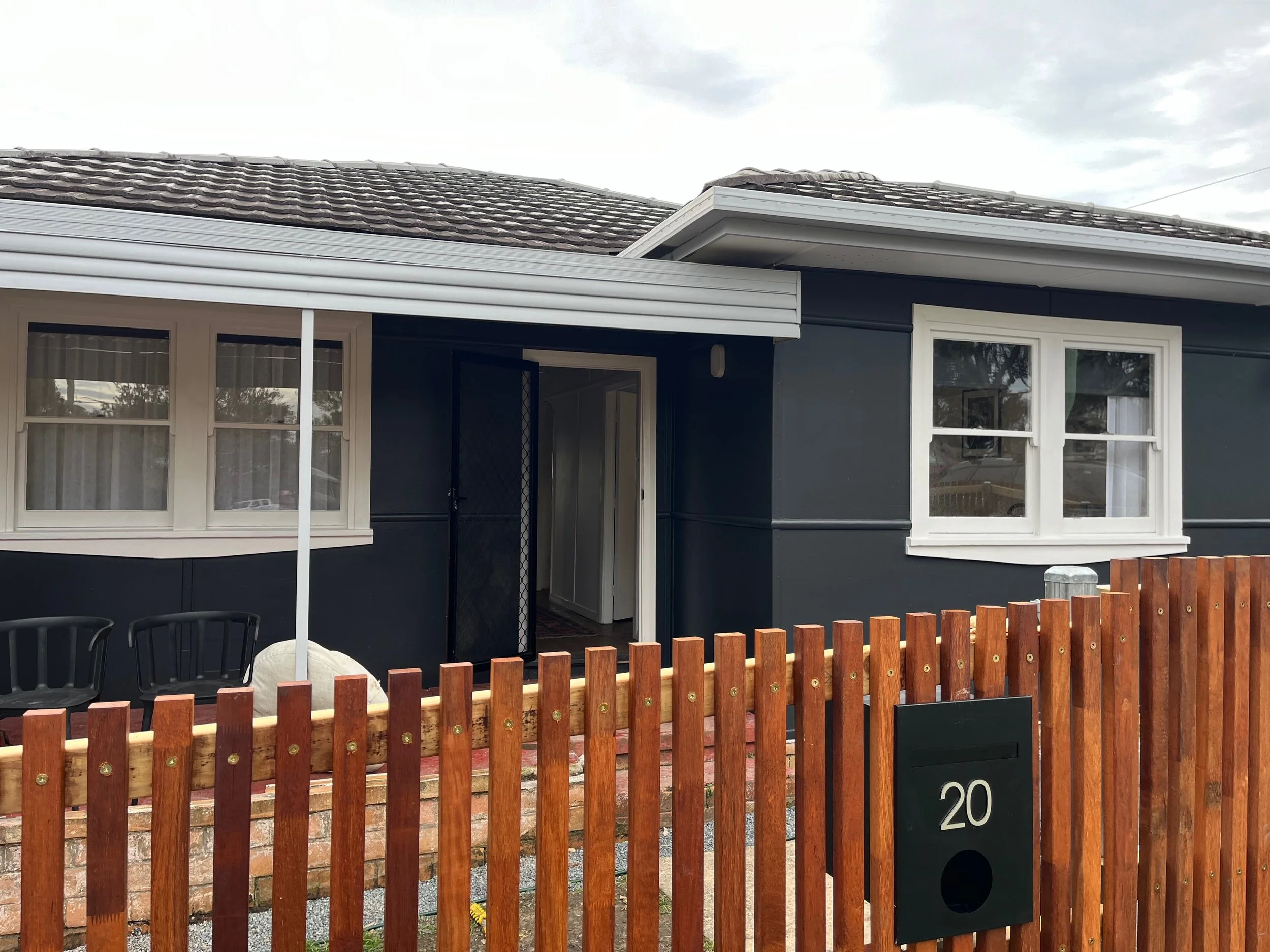


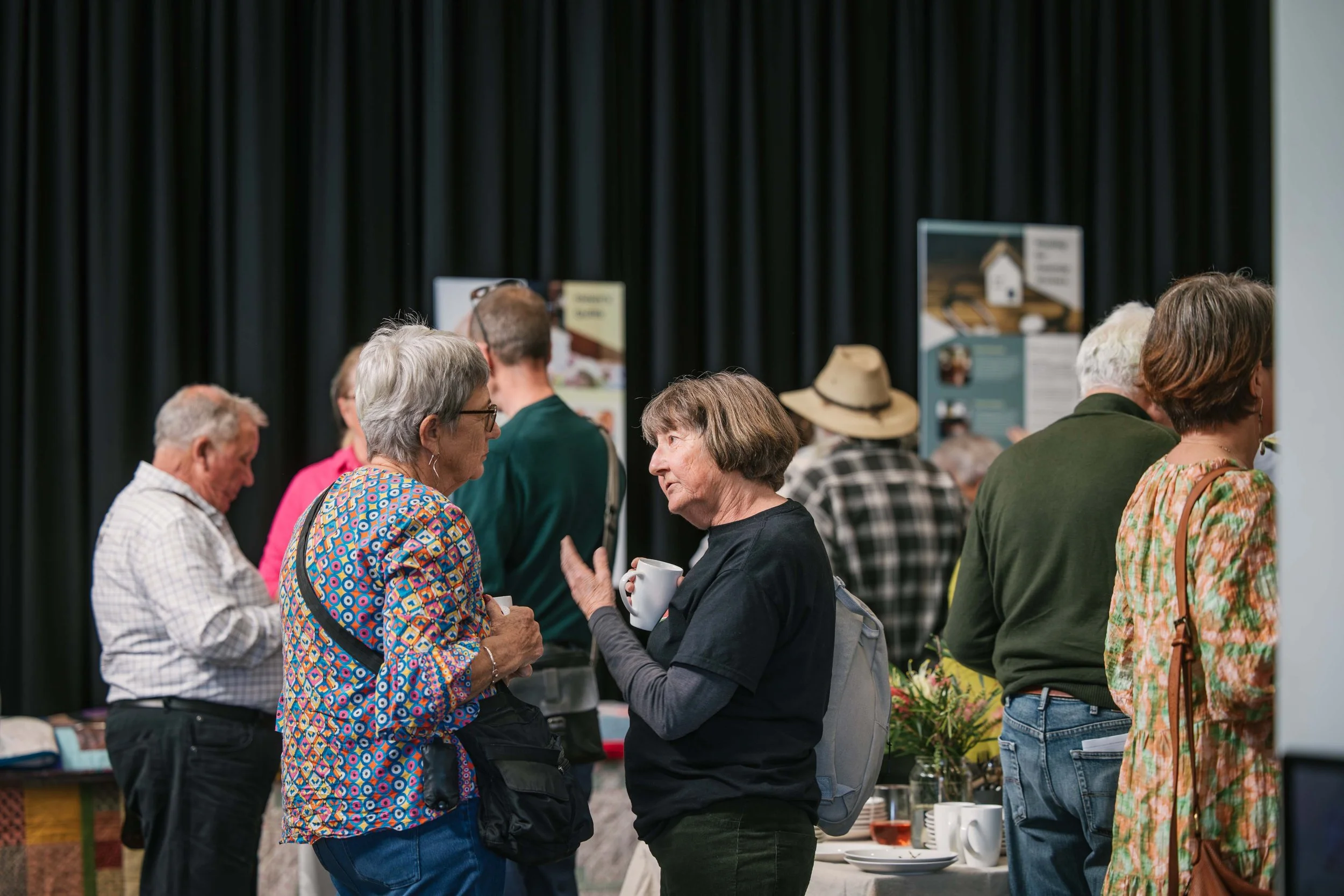
Get involved with WWCLT & register your interest now.
Stay up to date with WWCLT news!


Our Partners